Helping young people who are ‘up against it’ obtain an education.
For five generations the Holley Foundation has quietly supported educational and family initiatives for youth across Southeastern Michigan—through well-structured programs that show real, lasting outcomes.
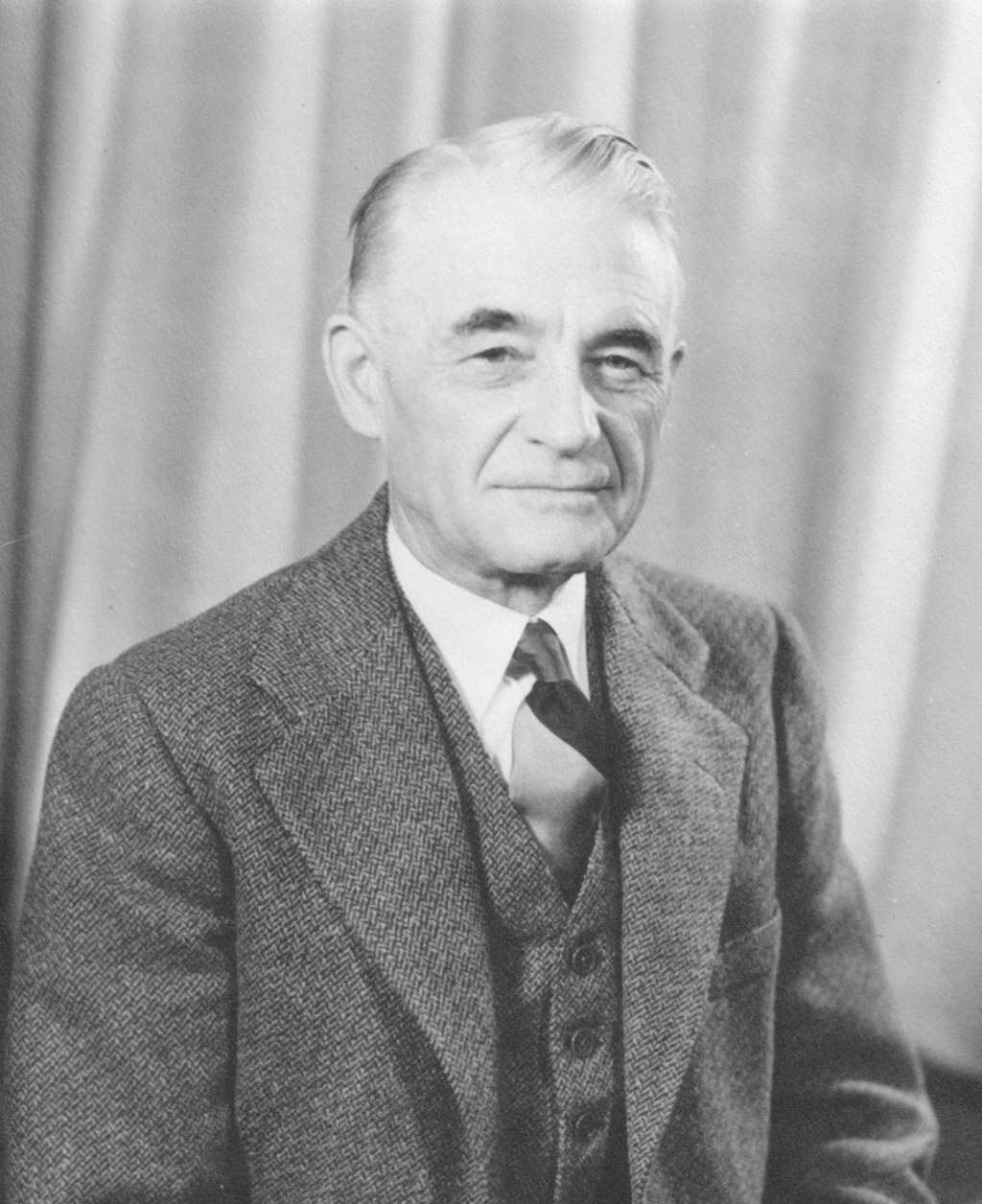
Inventor. Industrialist. Philanthropist.
George M. Holley founded the Holley Carburetor Company, a world leader in fuel and ignition control systems based in the Detroit Metro area.
In 1944 he established this foundation with a single, durable purpose—to open the door to education for young people who needed it most.
We support educational and family initiatives for youth, mainly in Southeastern Michigan, through innovative programs that demonstrate positive outcomes.
Considering a grant request?
We welcome inquiries from programs serving youth across the region.
Our geographical area of focus.
In the fall of 2002, the Trustees chose to direct {{ focusAreaEmphasis }} portion of the Foundation’s granting toward the Southeastern Village area of Detroit — the neighborhoods of ZIP codes 48214 and 48215.
Bounded by Mt. Elliot Avenue on the west, Mack Avenue on the north, Alter Road on the east, and the Detroit River on the south.
One in three residents lives below the poverty line.
6,034 children under eighteen — a fifth of the area.
Eighty-five percent finish high school; a quarter finish college.
19,308 housing units, two different housing markets.
48214 is majority multi-unit and renter-occupied (59% renters); 48215 is majority single-family and owner-occupied (51% owners).
Coverage is broad; outcomes lag behind it.
Mean commute is about 21 minutes; 17–22% of workers work from home.
Eighty-one percent of residents are African American — and eighty-six percent of the children are.
The figures above combine two ZIP codes into one number. On the following four measures, the rates in 48214 and 48215 are furthest apart.
These numbers describe need, not capacity. Families, schools, businesses, faith-based groups, and neighborhood service organizations across the Southeastern Village are already at work together on lasting change.
While the Foundation does not limit its grants to this area, it actively looks for ways to benefit it—and may ask that proposals serving the region direct their Holley funds here.
Sources: American Community Survey 2024 5-year estimates (ZIP 48214, 48215) · Census Reporter · State of the Detroit Child, Data Driven Detroit. Rates are population-weighted across the two ZIP codes; counts are summed.
The Holley Story
{{ curEraTitle }}
{{ row.text }}
{{ sec.heading }}
{{ sp }}
{{ calloutTitle }}
{{ calloutIntro }}
{{ p }}
This history was assembled from period documents, company records, and published accounts. The full list is given here for anyone who wishes to follow it further.
{{ item }}
{{ sourcesNote }}
{{ grantsTitle }}
The Foundation supports programs—not “bricks and mortar”—that serve youth and families. Here is how to apply.
Trustees meet twice a year, in late spring and mid-fall, to consider funding requests. Our interest is in programs rather than material, “bricks and mortar” needs.
The Foundation considers grants only to organizations officially recognized as 501(c)(3) by the IRS. A copy of the tax-exempt letter must be enclosed.
Describe your program—its context, goals, methods, and the proposed use of funds—in a letter, using the CMF Common Grant Application Format.
Most requests are considered on the letter and printed materials. Some applicants may be asked to present to the Trustees, usually for large or multi-year requests.
Organizations outside Southeastern Michigan must be sponsored by an individual Trustee who is familiar with the work.
Requests must reach the Program Chairman by March 30 for spring meetings and September 30 for fall. Grants over $50,000 or spanning multiple years are considered across two consecutive meetings.
Grant recipients agree to provide an annual written report on their program’s progress and the use of funds received.
The Foundation prefers to conduct as much work as possible online. Proposals may be emailed to info@theholleyfoundation.org.
501(c)(3) organizations only. Include your IRS tax-exempt letter with the request.
Since 1990 the Foundation has kept a continuous record of every grant. What follows is that history, in numbers.
Annual giving, 1990–2025.
Grantmaking has roughly tripled over the period, reaching a record $356,350 in 2025.
Giving by program area.
Nearly four in five dollars support educational programs in the Detroit area.
The deepest partnerships.
Concentrated in the Southeastern Village.
Since 2002, Trustees have steered grants toward the Southeastern Village—bounded by Mt. Elliott, Mack Avenue, Alter Road, and the Detroit River—where dollars reach the students who need them most.
Get in touch.
We welcome inquiries from youth-serving programs across the region. Email is the fastest way to reach us and our preferred way to receive a grant request.
If you would rather send a proposal on paper, address it to the Program Chairman.
Rev. George M. Holley
The Holley Foundation
1846 Heydon Court
Henderson, NV 89014
The Foundation's funds are held in trust at CIBC. Send gifts and financial matters here.
The Holley Foundation
c/o CIBC National Trust Company
39401 Woodward Ave, Suite 200
Birmingham, MI 48009